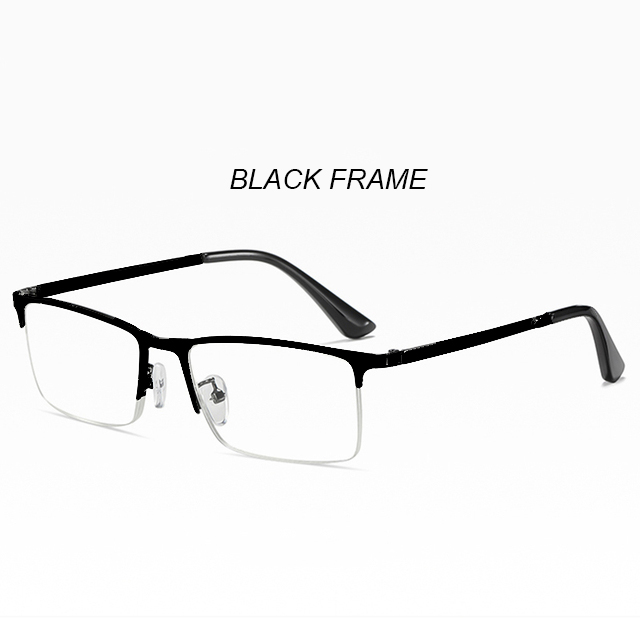
I was in the market for better glasses. Tired of juggling three different pairs—one for the computer, another for reading, and a third for driving—I kept hearing recommendations for progressive reading glasses that could handle it all.
I decided to purchase the YOOSKE Stainless Steel Reading Glasses. I chose the Men's Business Half Frame style with Anti Blue Light protection. After using these progressive readers for a full 90 days (three months), here is my detailed, day-by-day account of the experience.
The packaging had a professional look, free of any flimsy plastic wrapping. Upon taking them out, the frames felt sturdy yet impressively lightweight—a crucial feature for me, as heavier glasses tend to pinch my nose within an hour.
The half-frame design means the bottom of the lens is open, providing a generous field of view. The description highlighted stainless steel construction, which is significant. Authentic stainless steel (ideally grade 316L, though often unspecified) ensures the frame won't corrode or discolor from sweat.
When I first put them on, my vision was sharp looking straight ahead. However, glancing down at my phone made the edges appear distorted and wavy. This is the well-known progressive lens "swimming effect." While I expected it, the sensation was still odd. I had to consciously remember to turn my head, not just my eyes, toward whatever I wanted to focus on.
Verdict: Excellent frame quality. The lenses demand patience and practice, not an instant fix.
The first week tested my patience. I nearly gave up on these progressive lenses three separate times. Walking downstairs felt precarious, as if the floor were shifting. I found myself repeatedly taking the glasses off and putting them back on.
Thankfully, the seller provided helpful tips. I recalled reading positive feedback about staff members like Melanie, who thoroughly explained the adjustment process. I committed to wearing them constantly, even while driving, to push my brain to adapt.
By the fifth day, I noticed improvement. The swimming effect didn't vanish entirely, but my brain began to filter it out. The most significant victory was at my computer. I could see the screen clearly through the intermediate zone and then glance down at my keyboard or notes using the near-vision zone—all without swapping glasses.