I remember the sheer frustration, the squinting, the endless eye strain. For years, my passion for playing the piano was overshadowed by a persistent problem: I was having trouble physically reading sheet music. The notes on the page seemed to dance and blur, making practice sessions a chore rather than a joy. It wasn't just a minor annoyance; it genuinely hindered my progress and enjoyment. I knew I wasn't alone in this struggle, and I was determined to find a solution that worked.
For a long time, I just assumed it was part of getting older, or perhaps my lighting wasn't good enough. I’d try adjusting my music stand, moving closer, or even holding the sheet music right up to my face – anything to make those tiny symbols clear. My computer glasses worked perfectly for staring at monitors all day, giving me crisp text and images, so I mistakenly thought they'd be sufficient for piano as well. But the distance from my eyes to the music stand was subtly different, just enough to make a crucial difference. I'd often lose my place, miss accidentals, or simply give up on a piece because the visual effort was too exhausting.
The problem wasn't just about playing; it affected my learning process too. How could I truly understand a new piece if I couldn't even see the individual notes clearly? I felt like I was constantly battling my own eyesight, rather than focusing on the music itself. This struggle was a significant barrier, and I knew I needed a real solution, not just a temporary fix.
My journey to clearer vision for my music scores involved a few key discoveries and changes. It started with realizing that my issue wasn't just a general vision problem, but a specific one related to the unique distance and demands of reading sheet music.
My initial thought was that I needed advice from an eye doctor, not just another pianist. This was perhaps the most important realization. I booked an appointment, explaining my specific difficulty with reading music at arm's length on a stand. I learned that our eyes often need different prescriptions for different distances – one for driving (distance), one for close-up reading, and often, an 'in-between' prescription for things like computer screens or, in my case, a music stand.
My optometrist confirmed my suspicions. I had one prescription for distance and another for very close reading, but nothing perfectly suited for the specific focus distance required for my piano. They suggested an 'in-between' prescription tailored for that exact range. It was a revelation! I realized that like many, I had just assumed one pair of reading glasses would cover all 'near' tasks. This specialized approach was a game-changer.
While waiting for my new glasses, I also explored digital options. A friend suggested investing in a really big tablet. I started using music score software like Musescore or Sibelius, where I could import PDFs of the sheet music I wanted to play. This allowed me to set the size of the notes to something truly comfortable. The auto-scroll feature was particularly helpful; it meant I didn't have to manually turn pages, which was a huge bonus during performance or intense practice.
I found that even the largest tablets, like a 12.9-inch iPad, were about the same size as most traditional music books. While helpful, I also considered some laptops that are as large as 17 inches and can fold all the way backward to sit flat on a music stand. These offered even more screen real estate, though they were less portable. The ability to zoom in and out, change contrast, and even highlight sections digitally was incredibly powerful for improving my ability to see and interpret the music.
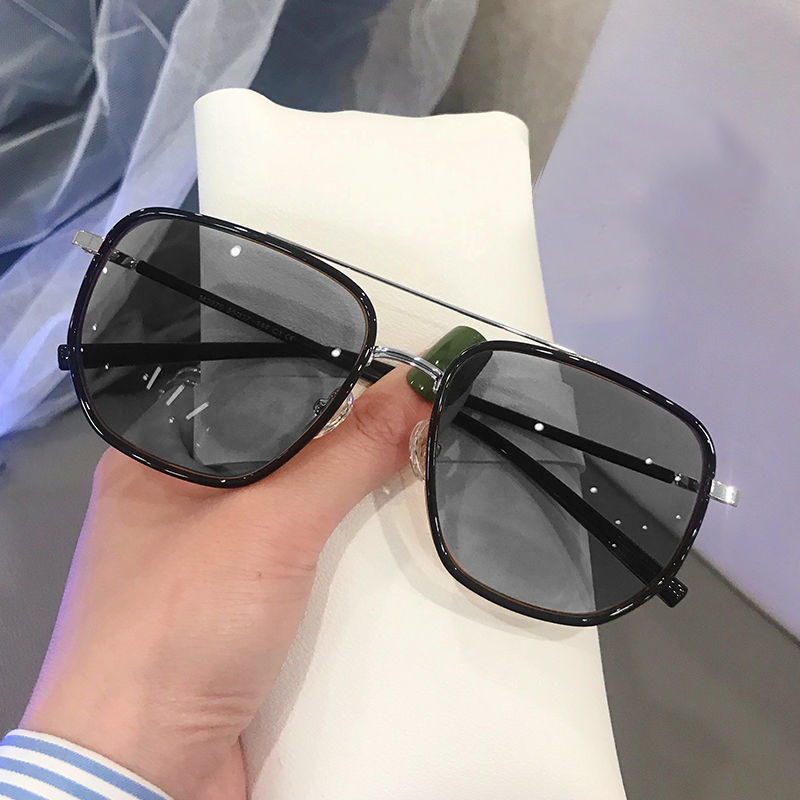
After my eye doctor visit, I started actively looking for glasses specifically designed for prolonged reading and screen time, knowing that sheet music often involves both. That's when I stumbled upon the Mozaer Anti Blue Light Reading Glasses Large Frame Women's Photosensitive Color Changing Myopia Glasses Degree 0 To -6.0 Grey -D--4.0. These glasses truly felt like they were made for my problem.
Here’s why these Mozaer glasses became my go-to: