Okay, let's be real. Getting prescription lenses for my VR headset was supposed to be a game-changer. I was so excited to finally ditch my glasses and dive into virtual worlds with crystal-clear vision. But when I first put them on... disappointment. Everything was blurry, and I felt a headache coming on. Sound familiar? Don't worry, you're not alone! I went through the wringer, but I finally figured out how to get my VR experience back on track. Let me share what I learned.
I was so hyped to get my shiny new prescription lenses for my VR headset. I have pretty bad nearsightedness, so the thought of not having to wear my glasses inside the headset was incredibly appealing. I carefully installed them, fired up my favorite VR game, and... nothing. It was like I was looking through a foggy window. My initial reaction was frustration. Had I wasted my money? Were my eyes just not compatible with VR?
I started to wonder if my prescription was wrong. Maybe the lenses were made incorrectly. I even questioned if VR was just not for me. I tried adjusting the headset, tightening the straps, and repositioning it on my face, but nothing seemed to work. The blurriness persisted, and the headache was starting to set in. I knew I had to do something before I gave up completely.
I started digging around and realized that the first thing I needed to check was my IPD (Interpupillary Distance). This is the distance between the centers of your pupils, and it's crucial for aligning the lenses correctly with your eyes. I found a helpful guide that explained how to measure my IPD and adjust the lens spacing on my headset. It turns out mine was way off! Getting that right made a huge difference.
Another thing I realized was that my eyes and brain needed time to adjust to the new lenses. It was like getting a new glasses prescription. I started using the headset in short bursts, taking breaks every 15-20 minutes. Slowly but surely, my eyes started to adapt, and the blurriness began to fade. It's similar to adjusting to bifocals; it takes time!
I also double-checked the fit of the headset itself. I realized that the vertical height of the headset mattered a lot. I was surprised to discover that everything came into focus when I was trying to make the headset more comfortable to wear. Try slowly moving it around, especially up and down, until you find the sweet spot.
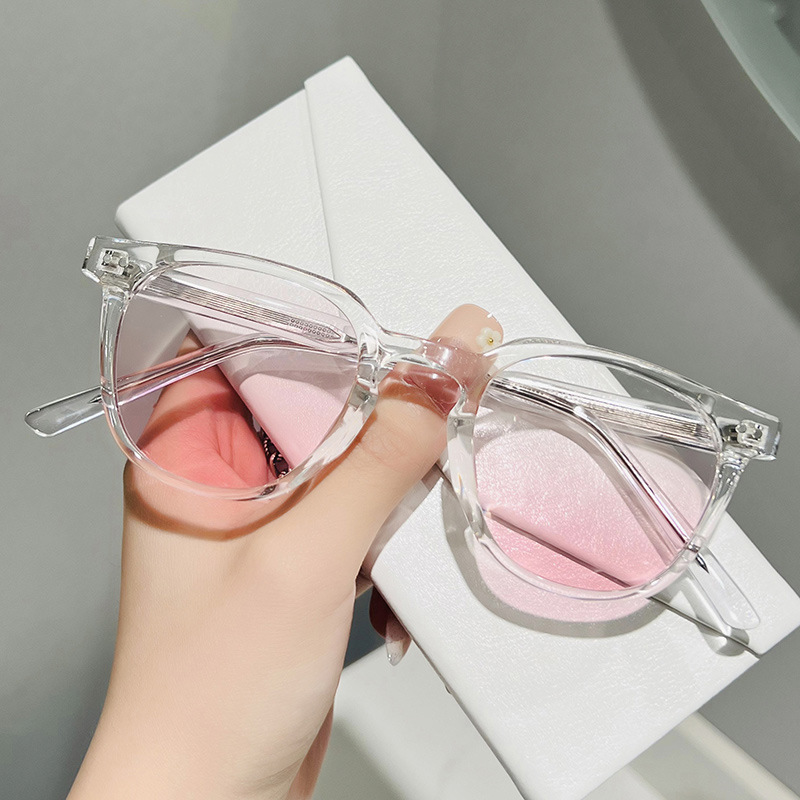
Speaking of comfort, I've recently discovered some great glasses that work well outside of VR too! I've been using the P56996 Photochromic Reading Glasses Computer Eyeglass Rivet Optical Popular Transparent Custom Prescription to Any Diopter Frame Only-C3ClearRed from Mozaer, and they're fantastic. They're comfortable, stylish, and the photochromic lenses are perfect for both indoor and outdoor use. I can even get a custom prescription, which is a huge plus. They don't feel like an advertisement, they're just really nice glasses that I use every day.
I initially used my glasses to check my headset fit and IPD before using the VR lenses. It helped me establish a baseline for what "clear" should look like. If you're still struggling to see well even after adjusting everything, there might be an issue with your prescription lenses themselves.
Based on my experience, here's a breakdown of tips that can help:
Here's a quick list of things to consider: